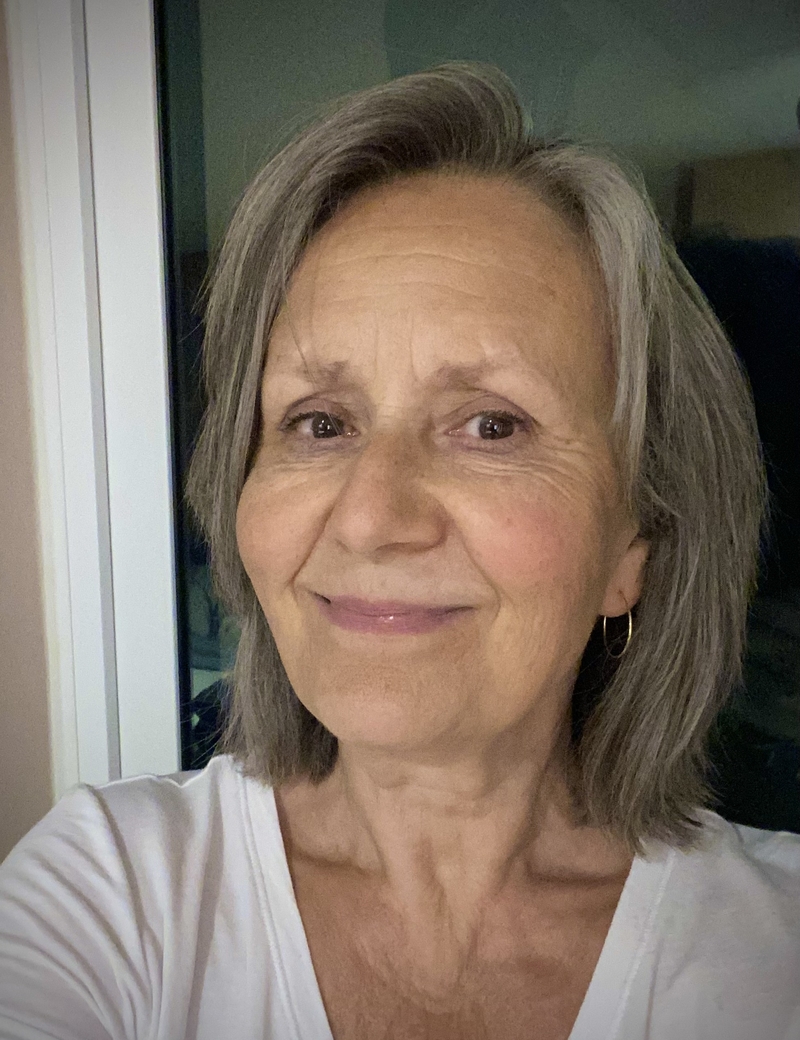
Irene Biemann
PT, CAFCI
Physiotherapy
Irene Biemann earned her BScPT from Queen’s University. She worked at Lyndhurst Spinal Cord Centre (Toronto Rehab-Lyndhurst Centre) for 11 years. In order to better treat the complicated pain problems of SCI patients, she began studying acupuncture. In 1992, with the help of Dr. Linda Rapson, she started the Lyndhurst Acupuncture Clinic.
In 1995, Irene joined Dr. Rapson at the Rapson Pain Clinic and worked there until 2024.
Irene has spent her career integrating her knowledge of Anatomical and Classical Acupuncture with Physiotherapy in order to provide an holistic approach to patient care. She recognizes the huge impact stress has on the body’s ability to heal and uses Acupuncture skillfully to address this. She has dealt successfully with myofascial pain, arthritis, and other musculoskeletal issues as well as neurological problems such as spinal cord injuries, stroke and multiple sclerosis.
Irene is an instructor and examiner with Acupuncture Canada (AC) since 1996 and is currently a member of the AC Education Steering Committee.
Acupuncture
What's it all about?
Acupuncture is an ancient practice that involves inserting very fine metal needles into specific points on the body to restore the flow of Qi—the body’s vital energy—and bring you back into balance. This can lead to reduced pain, increased energy, deeper relaxation, and an overall sense of well-being.
In Western medical terms, the insertion of needles stimulates nerves, blood vessels, connective tissue, and muscles, helping to reduce pain and inflammation. Often referred to as Anatomical Acupuncture, this approach selects points based on their anatomical relevance to the issue being treated.
The energy-balancing effects of acupuncture are also understood in Western medicine as a result of modulating the Autonomic Nervous System—shifting the body out of “fight or flight” mode and into a “rest and restore” state that supports healing.
Chinese Scalp Acupuncture (CSA)
Affecting Brain Functioin
Chinese Scalp Acupuncture (CSA) is a modern technique developed in China in the 1950s. It involves inserting fine needles into the loose connective tissue layer beneath the skin of the scalp.
Unlike traditional acupuncture, which focuses on specific points, CSA uses lines or areas on the scalp that correspond to functional areas of the brain.
For example, in someone recovering from a stroke, the region of the brain responsible for movement may be affected. By stimulating the related area of the scalp, CSA aims to support neurological recovery and improve motor function.
I’ve been using CSA since 2012 with excellent results. I have experience treating neurological conditions such as stroke, cerebral palsy, Parkinson’s disease, and multiple sclerosis.
I also use CSA extensively to help reduce pain and the effects of stress.
Understanding Qi
Qi (pronounced “chee”) is a core concept in Chinese medicine and an important part of how I approach treatment. It’s described as the body’s vital life force – a universal energy that flows through us and around us, supporting movement, healing, and overall vitality. When Qi moves freely and stays balanced, the body functions at its best. When it’s blocked or depleted, it can lead to pain, stiffness, or illness.
Through physiotherapy and acupuncture, I work to restore the smooth flow of Qi, helping to release tension, improve mobility, and support your body’s natural healing process.
Reach Out Anytime, I'm Here for You
Let's start your healing journey together
Book your appointment easily through the online booking page.
For questions, visit the contact page to learn more. Feel free to fill out the contact form below to get in touch directly.
You've got nothing to lose but your pain!
